


This List of Architectural Firms in Kenya Is Only Half the Answer
So you’ve typed “list of architectural firms in Kenya” into Google. Chances are you’re not just browsing. You’ve got land, some kind of budget in your head, maybe a photo saved on your phone of a house you liked, and now you need someone who can actually turn that into a building. One that won’t crack at year three, and one that won’t sit at the county approvals desk for half a year while your loan interest keeps ticking.
This isn’t going to be another names-and-addresses roundup. We’ll get to specific firms, but the real point of this piece is helping you tell the difference between a firm worth calling and one you’ll be complaining about to friends in eighteen months.
Kenya’s construction industry has grown fast, and “architect” now covers a lot of ground. On one end you’ve got one-person AutoCAD setups working from a laptop. On the other, practices that have been around since before independence and have skyscrapers to show for it. Most people don’t realise how wide that gap is until they’re three months into a stalled project wondering what went wrong. If you’d rather sidestep that gap altogether, our own architectural design services are built around exactly the clarity this article is arguing for.
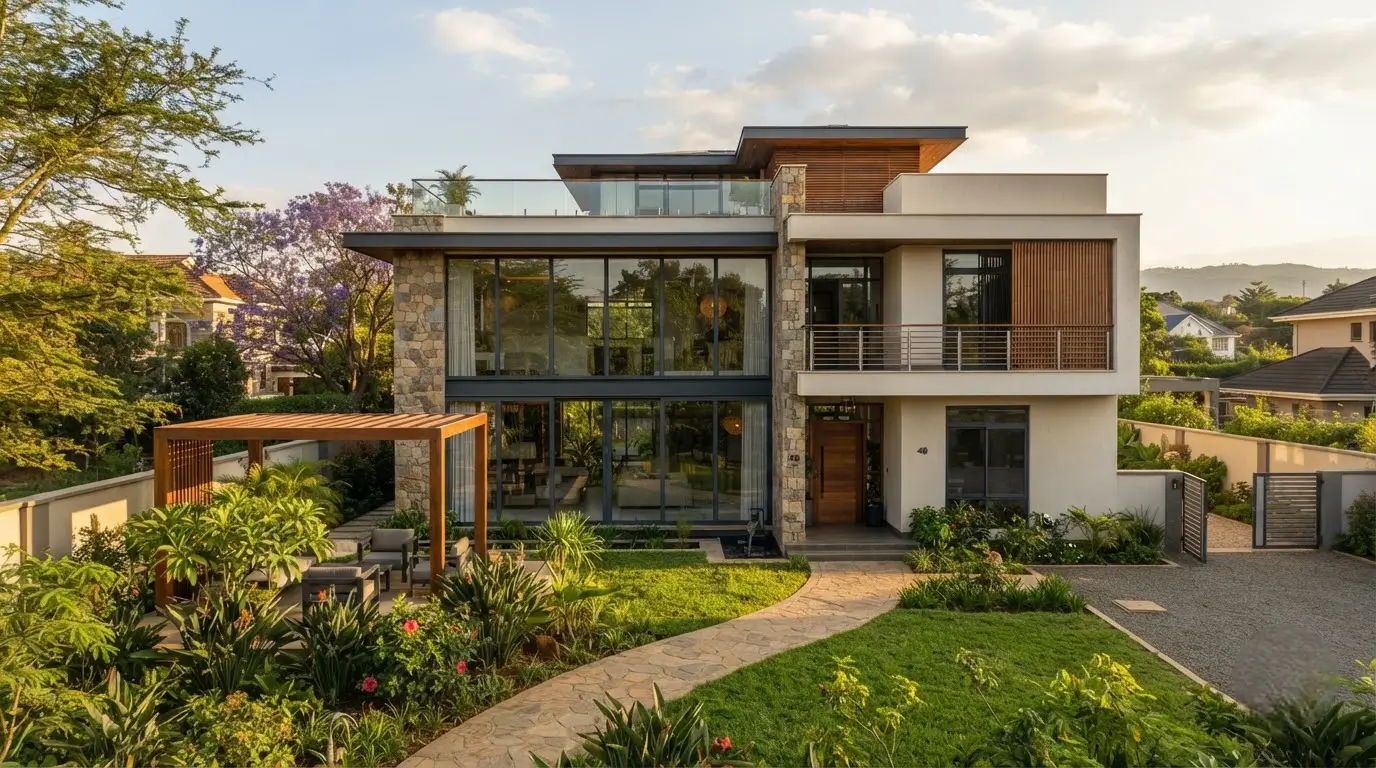
Why This List Isn’t Like the Others
Most articles like this are basically directory scrapes. Firm name, a link, a paragraph of filler, next. Fine if all you need is a phone number. Not so fine if you’re about to hand someone control over a KES 15 million (or larger) build.
Here’s the filter we actually used: a documented track record, a real physical office (not just a WhatsApp Business number), and enough history that you can go look at their past work with your own eyes.
| Firm | Founded | Known For | Best Fit For |
|---|---|---|---|
| Triad Architects & Planners | 1963 | Parliament Buildings, Britam Tower, large commercial towers | Large commercial, institutional |
| Symbion Group | 1980 | Villa Rosa Kempinski, regional hospitality projects | Hospitality, urban planning |
| Planning Systems Services Ltd | 1978 | Interior design spin-off (Planning Interiors), commercial work | Mixed-use, commercial |
| Beglin Woods Architects | N/A | Kenyan–international partnership model | Healthcare, education, hospitality |
| Mutiso Menezes International | N/A | Long-running Nairobi practice | Institutional master planning |
| Waweru & Associates | N/A | Residential and commercial work, African design influence | Residential, boutique commercial |
A bit of background on a few of these, because paper credentials and actual track record aren’t always the same thing. Triad’s been operating since the early 1960s, started by two founding partners, and has racked up a portfolio that runs into the thousands of completed projects at this point. Symbion has its name attached to several hospitality builds across the region, including hotel projects in both Nairobi and Mombasa. Planning Systems started small, a two-person partnership in the late 1970s, and eventually grew large enough to spin off its own separate interior design arm.
What “Best” Even Means Here
Rankings are subjective. Fit isn’t. Before you shortlist anyone, including any name on this page, run them through a few checks.
- Registration. Any firm doing legitimate architectural work in Kenya needs registered architects on staff, registered with the Board of Registration of Architects and Quantity Surveyors. Ask for the number outright. If they hesitate or dodge the question, that’s not a technicality you can ignore; that’s a red flag.
- Portfolio match. A firm that’s brilliant at boutique hotels won’t necessarily nail a single-family home, and the reverse is true too. Ask to see three completed projects close to your scale, not just their one flagship project that gets used in every pitch deck. You can browse our own completed projects for a sense of what that kind of portfolio evidence should actually look like.
- Structural coordination. Does the firm work closely with structural and MEP engineers from the early design stage or bring them in as an afterthought? Architecture that doesn’t talk to engineering early has a way of turning into expensive redesigns halfway through construction.
- Timelines you can believe. If every firm you ring promises full drawings in two weeks flat, be suspicious. That’s usually a sign of recycled templates rather than actual site-specific thinking.
- A fee structure you understand before you sign anything. Percentage of construction cost, fixed fee, milestone billing, whatever it is, get it in writing before design work starts, not after the first invoice lands in your inbox.
Architects in Nairobi, Kenya, Does Location Actually Matter?
Short answer: yes, more than people expect. Nairobi has the highest concentration of licensed architectural talent in the country, and it’s not just about being nearby for meetings. It’s about who actually understands the county-specific approval process. Nairobi County’s planning department, the height restrictions around Upper Hill, and the paperwork quirks for a Karen or Runda residential plot, none of it is identical to what you’d deal with in Kiambu or down in Mombasa. An architect who navigates Nairobi’s system weekly is going to move your approvals faster than someone commuting in from another county who deals with it occasionally.
It’s also where you’ll find most of the firms with real institutional weight behind them. Muthaiga, Westlands, Riverside Drive, and Upper Hill, these addresses keep showing up when you look at the country’s more established practices.
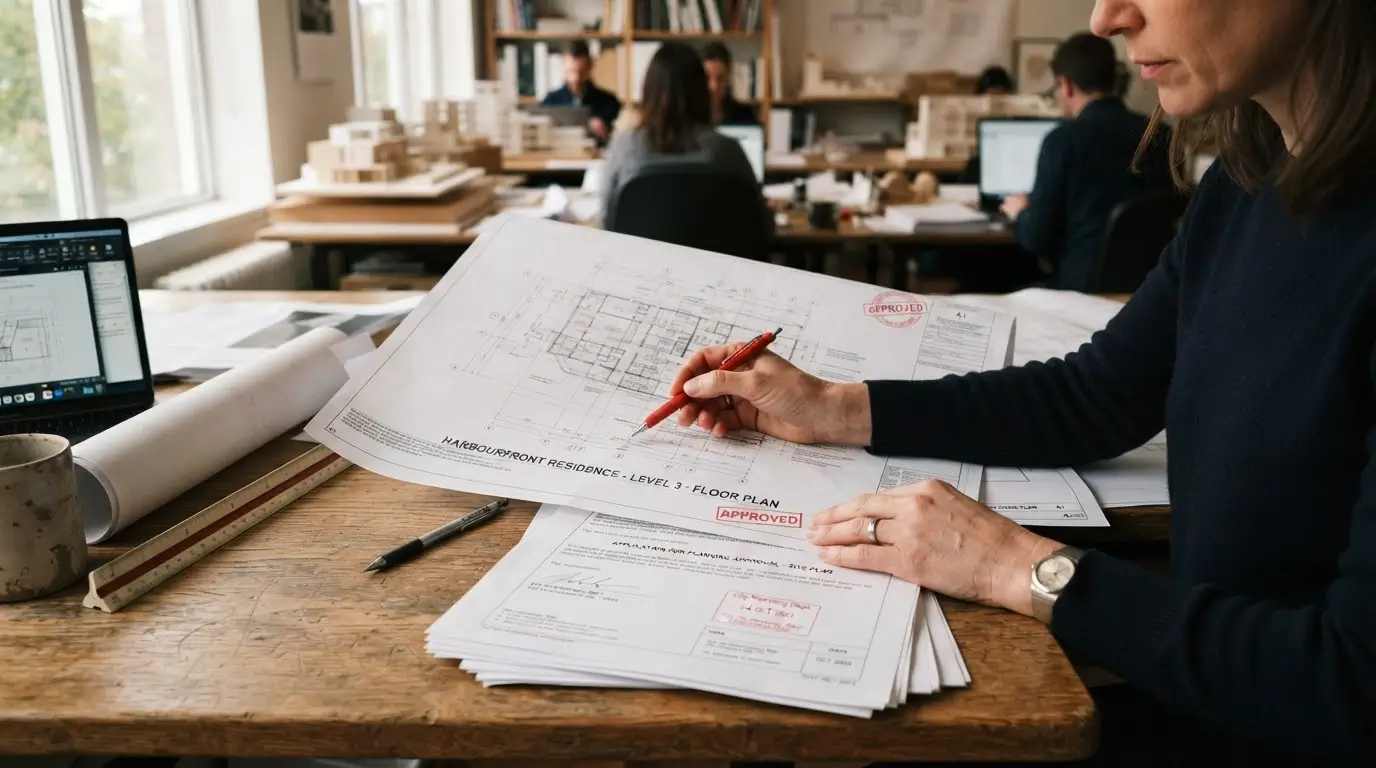
The Gap Almost Nobody Fills
Here’s something nearly every “top architects in Kenya” listicle conveniently skips over: what happens after you actually pick a firm. Nobody talks about what a realistic timeline from design to groundbreaking looks like. Nobody breaks down what NCA approval costs on top of your design fee. Nobody explains how to structure payment milestones so you’re not fully paid out before the foundation is even poured.
If a firm can walk you through that entire process, clearly, before you’ve signed anything or handed over a deposit, that tells you more about their competence than any awards page ever could.
Who’s Actually Reading This, and What They Want
People landing on a page like this generally split into three groups, and honestly, they’re looking for pretty different things.
| Searcher Type | What They’re Really After |
|---|---|
| First-time landowner (residential) | Names they can trust, a rough sense of cost, someone willing to explain the process in plain language |
| Developer or investor (commercial) | Proof of scale, reliable timelines, design decisions that actually protect ROI |
| Diaspora client managing remotely | Communication they can count on, virtual walkthroughs, transparency without needing to be on-site |
If your services pages address these three groups separately, rather than one blanket “we design beautiful buildings” pitch, you’ll convert a lot more of this traffic than a firm that treats every visitor the same.
Choosing From This List of Architectural Firms in Kenya
A list of architectural firms in Kenya only gets you halfway there. The other half is asking the right questions before a design contract gets signed: registration, portfolio fit, honest timelines, and fee clarity you understand upfront. Whether you’re weighing established names like Triad and Symbion against smaller boutique practices, or specifically hunting for architects in Nairobi, Kenya, who can move approvals along faster, the firm willing to walk you through their process before you’ve paid a shilling is usually the one worth trusting with your project. Get in touch if you’d like to talk through where your project stands before you shortlist anyone.
Still Comparing This List of Architectural Firms in Kenya?
Talk to our team before you shortlist anyone. We’ll walk you through registration, timelines, and fees upfront, no pressure, no jargon.
Frequently Asked Questions
How do I check that an architectural firm in Kenya is legitimate?
Ask for their BORAQS registration number directly. A legitimate firm will give it to you without any back and forth. It also helps to request references tied to at least two completed projects you can physically go and see.
What does it typically cost to hire an architect in Kenya?
Fees usually fall somewhere between 3 and 8% of total construction cost, depending on how complex the project is, though smaller residential jobs sometimes run on a fixed fee instead. Get quotes from at least three firms before deciding anything.
Are architects based in Nairobi actually better than firms elsewhere?
Not inherently, no. But they tend to move faster through Nairobi County’s specific approval process simply because they deal with it constantly. If your land sits outside Nairobi, you’re better off prioritising a firm with real experience in that particular county instead.
How long does the design phase usually run before construction can start?
For a fairly standard residential project, six to twelve weeks from concept to approved drawings is realistic. Commercial or multi-unit developments take longer. If someone promises much faster than that, ask why.
Can a Nairobi-based architect handle a project outside the city?
Yes, plenty of established Nairobi firms take on work across counties, and some across East Africa more broadly. Just confirm upfront that they’ve actually handled approvals in that specific county before, not just heard of it.